What Should You Text When Your Crush Leaves You on Read?
Message templates by context: when to wait, when to follow up, and what to say without panic-texting. Paste your thread to your ForReal coach for advice tied to your history.

ForReal Team
Author

They saw it. No reply. Your thumb hovers over the keyboard and every template on the internet suddenly sounds wrong.
You are not overreacting for caring. You are under-equipped if you are drafting from panic alone. The read receipt is real data, but it is only one pixel in a much larger picture: what you sent, how they usually respond, whether plans were on the line, and whether silence has been rare or routine.
The honest answer: what you should text depends on what you sent, how they usually respond, and whether this is a one-off or a pattern. Below you will find the decision rule, wording you can adapt (not copy-paste blindly), and the mistakes that turn one silent hour into a week of anxiety. For the psychology of silence (shame, signal vs. noise, self-respect), read what to do when your crush leaves you on read first, then come back here for the exact words.
Key takeaways
The short version, before the details.
One read receipt is not a verdict
What silence means depends on what you sent, how fast they usually reply, and whether this is a one-off or a weekly pattern.
The one-follow-up rule
Wait a sensible interval, send one clean line, then stop. Three anxious pings never manufactured interest.
Match the words to the message
Logistics get a nudge, vulnerability gets time and space, plans get one confirmation. Same silence, different reply.
When silence becomes the answer
If read-and-ignore stacks with short answers and zero initiation, stop decoding bubbles and match energy.
What left-on-read can mean
A read receipt only tells you one thing: they saw it. Everything else is interpretation, and most bad texts come from picking the wrong interpretation.
If this silence is unusual for them — they normally reply within hours, the last exchange was warm — it is most likely noise: a busy day, a message that got buried, a question they have not had time to sit with. If you sent something vulnerable or heavy (feelings, exclusivity, repair after a fight), silence often means processing, not punishment; those messages deserve at least 12 to 24 hours before you assume anything.
Silence starts carrying real information when it becomes a pattern: read-without-reply stacking on top of short answers, zero initiation from their side, and warmth you have to keep resuscitating. One unread bubble is a moment. A month of them is a message.
Your job is not to mind-read the tick. It is to figure out which world you are in, then pick the reply that fits it.
The one-follow-up rule
Before you write anything, choose one of three moves. The wording matters less than picking the right move.
Wait (no text yet)
This is unusual for them and nothing urgent was on the line. You sent something heavy — give it 12 to 24 hours. You already followed up in the last 48 hours — more messages will not manufacture interest. Their replies were warm and they are often slow on busy days.
One clean follow-up
You asked a logistics question (time, place, plan) and need an answer. The thread was active and mutual until this one pause. You sent something light and a full day of silence is out of character. Send one line, then go quiet.
Stop investing
Read-without-reply keeps stacking with short answers and zero initiation. You are texting to extract reassurance, not to share something real. They soft-rejected a plan and you are negotiating with silence. You feel worse after every interaction. See signs your crush may be losing interest and when to walk away.
Templates that work
Adapt the wording; keep the strategy. The same silence needs different words in the talking stage than three dates in — early on, stay light and one try is enough; with more history, you can be slightly more direct.
The soft nudge
"Hey, no rush on my last message. Just wanted to make sure it did not get buried." Reopens without pressure.
A new topic, not a probe
Send something you would share anyway: "Random thought: that place we talked about finally opened. Have you been?" This is re-entry, not a test.
Logistics only
"Still good for Saturday, or should we pick another day?" Clear, adult, no guilt trip.
After a vulnerable or serious message
"I know that was a lot. Take your time. I am here when you want to talk." Then stop. If you need an answer: "I would rather hear 'not sure yet' than silence. Can you let me know once you have had time to think?"
After a good date
"I had a really good time last night. Would love to do it again." No essay. If they went quiet post-date: "Hey, I enjoyed seeing you. Let me know if you want to hang again." One send, ball in their court.
After conflict
"I did not love how that went. Can we talk when you have a minute?" Repair beats performance; do not litigate over text.
What not to send
These feel satisfying for thirty seconds and costly for weeks.
Accusation openers — "Why are you ignoring me?", "Guess you are too busy for me" — trade your dignity for a reply that will be defensive at best. Shame makes people withdraw further, so even if it works, it works against you.
The 2 a.m. novel is the classic: paragraphs of analysis, past wounds, hypotheticals. If you wrote it after midnight, save it as a draft and revisit in daylight; most of it should never send. The same goes for passive-aggressive memes and indirect hits — they read as immature exactly when you are asking to be taken seriously.
Two quieter mistakes: polling five group chats to decode one tick (one trusted person, or your own written-out read of the pattern, beats five conflicting opinions), and substituting a story like for actual words — low-investment contact is fine for casual crushes, weak when you need a real answer.
And the biggest one: following up at all when you already know the pattern. If they have read-without-replied four times this month, no clever line fixes low effort. The mistake is the text, not the wording.
When silence is the answer
Sometimes the strongest move is no text at all — from them or from you.
The pattern has already replied
When read-without-reply stacks with short answers and zero initiation, templates cannot fix disinterest. Matching energy is not spite; it is self-respect. See when to walk away.
Read receipts are off or it only says "delivered"
You only know they have not replied. Same rules apply: logistics get one follow-up, vulnerability gets time, and patterns of short answers matter more than one delay. Never escalate to accusation.
They reply everywhere except your thread
If they answer on stories or other apps but ignore your text, note where the answers land. That imbalance is pattern data about how they treat your texts.
You were left on read in a group chat
Different social stakes. A public follow-up can embarrass both of you. Move depth to a DM or wait for a natural one-on-one opener.
When one template is not enough
You already have the words. The hard part is choosing the right one, because the best message depends on the history the two of you actually have: how they usually respond, whether this silence is new, and what your last message was really asking for. Guessing from a single read receipt keeps you drafting in the dark, while the real answer is already sitting in your own thread. When you can see the pattern as it actually happened instead of replaying it from memory, waiting, following up once, or stepping back stops being a gamble. Look at your history first, then decide what to send.
Frequently Asked Questions
How long should I wait before texting again?
Light messages: a few hours to a day is reasonable if this person usually replies faster. Vulnerable or heavy topics: 12 to 24 hours minimum, often longer. Logistics with a deadline: follow up the morning before, once. If slow or no reply is their baseline, another text rarely fixes it — decide whether you accept the pattern or step back.
Is a double text always desperate?
No. One thoughtful follow-up after a reasonable wait is normal adult communication, especially when you asked a real question or proposed plans. What hurts is a stack of pings driven by anxiety: "hello?", "guess you are busy", "??". Double texting becomes a problem when it teaches the other person you will tolerate low effort — not when you nudge once about Saturday.
Should I like their story instead of texting?
Stories are low-investment contact. Fine for casual crushes when you want light presence without pressure; weak if you need a real answer about plans or feelings. If you already feel ignored, a story like can read as passive. If you want clarity, use words in the thread where the conversation lives.
What if they reply 'sorry, busy' and go quiet again?
Believe the pattern, not the excuse. Busy people still show intermittent warmth and eventually answer substance. Repeated "busy" plus low effort means adjusting expectations or stepping back. One forgiving cycle is human; four is a style.
Should I unsend or delete the message?
Usually no. Unsending after they already read it draws more attention to the panic. If the message was rude or a 2 a.m. novel, one calm follow-up beats unsend theater. If you truly misspoke, a short line that owns it works better than pretending it never happened.
When your crush leaves you on read, the best text is often none yet, then one clean line that matches what you actually sent and how they usually show up. Use templates as scaffolding, not armor. Match tone to relationship stage. If silence keeps repeating, the message is in the pattern, not the read receipt — and your dignity lives in whether you keep negotiating with a pattern that already told you the answer.
Tags
Related reading
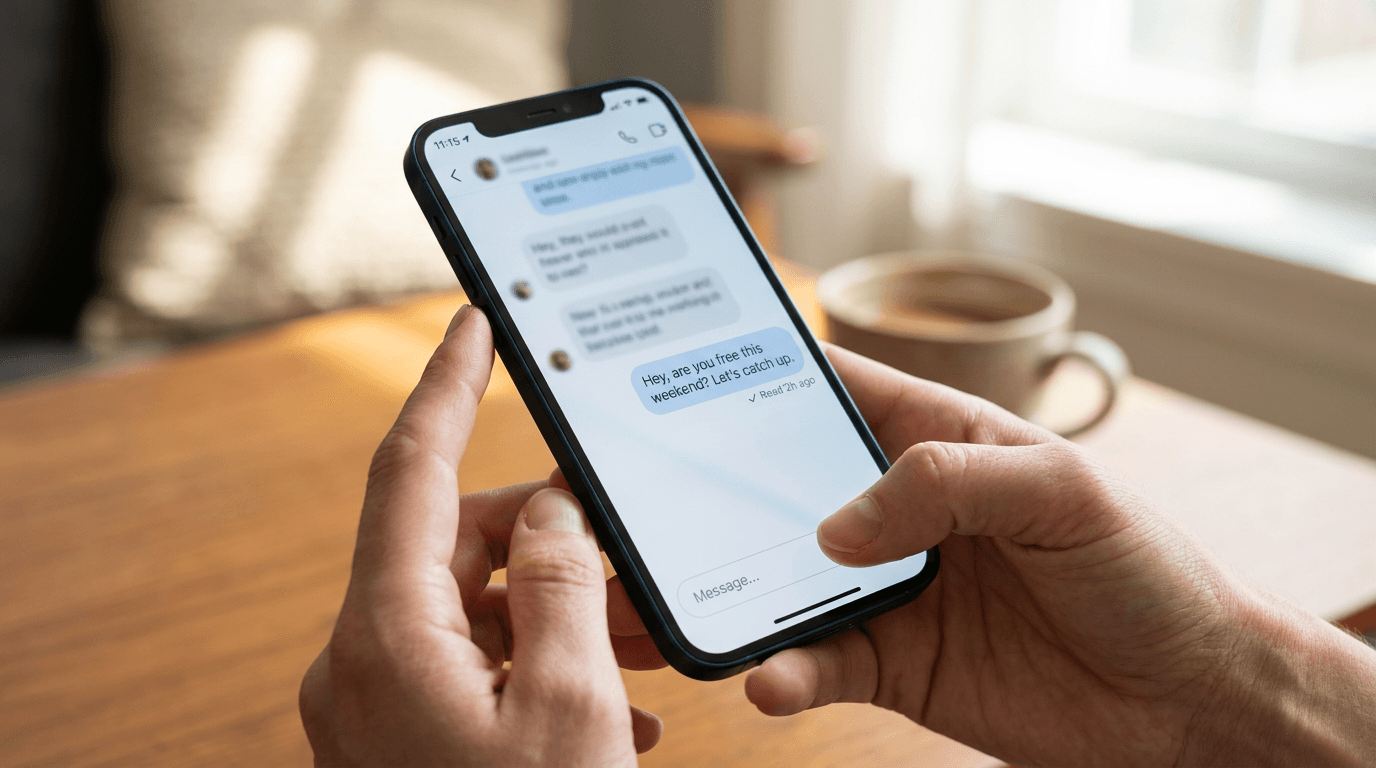
What to Do When Your Crush Leaves You on Read
Why people leave on read, when it's a signal vs. noise, and how to respond (or not) so you keep clarity and self-respect.

What Does It Mean When Someone Takes Hours to Text Back? (Decoded)
Decode slow text responses with 6 possible meanings ranging from genuine busyness to losing interest. Learn how to read context clues, recognize patterns, and determine when delayed responses are concerning versus normal communication styles.
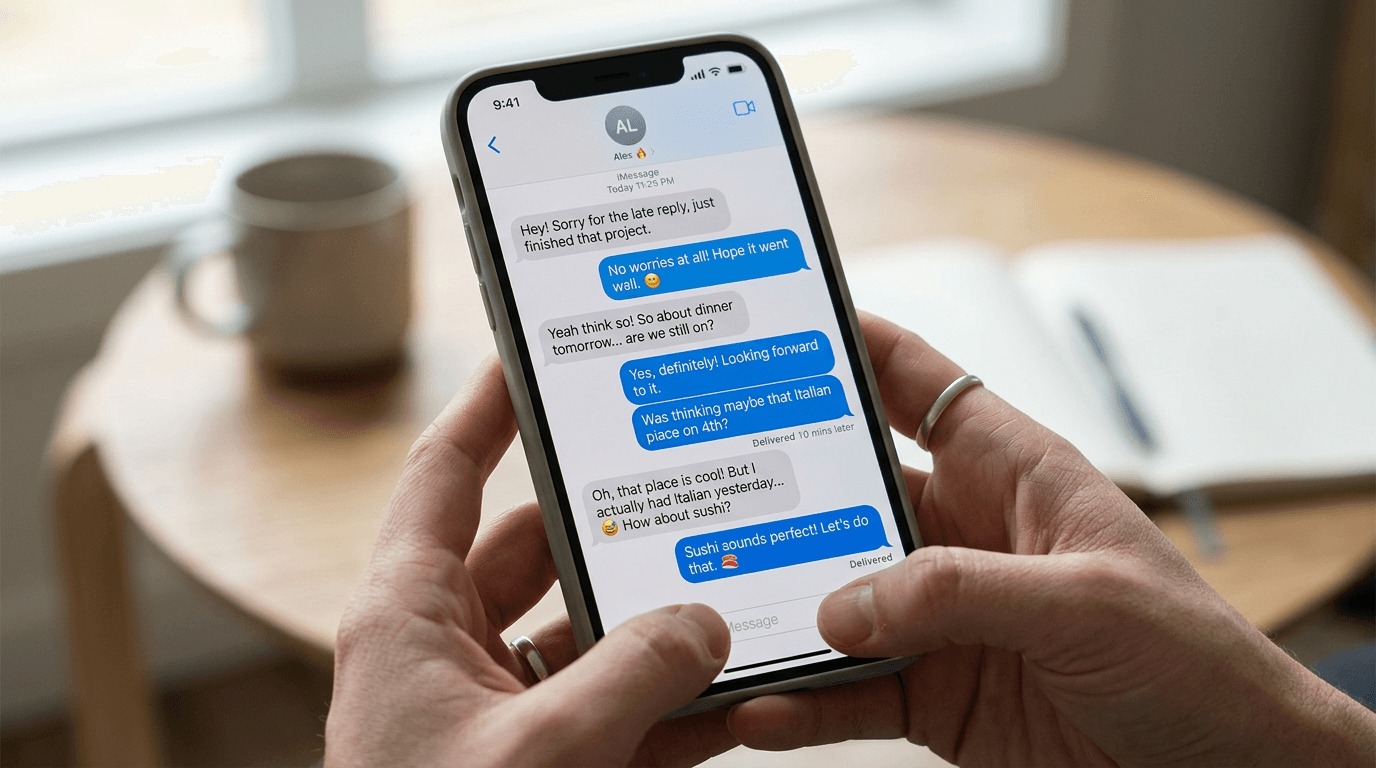
The Hidden Meanings Behind Common Texting Patterns in Dating
Analyze texting patterns that reveal interest levels: double texting, emoji usage, question frequency, message length matching, and timing patterns. Learn what these behaviors signal about emotional investment and compatibility.