What to Do When Your Crush Leaves You on Read
Why people leave on read, when it's a signal vs. noise, and how to respond (or not) so you keep clarity and self-respect.

ForReal Team
Author
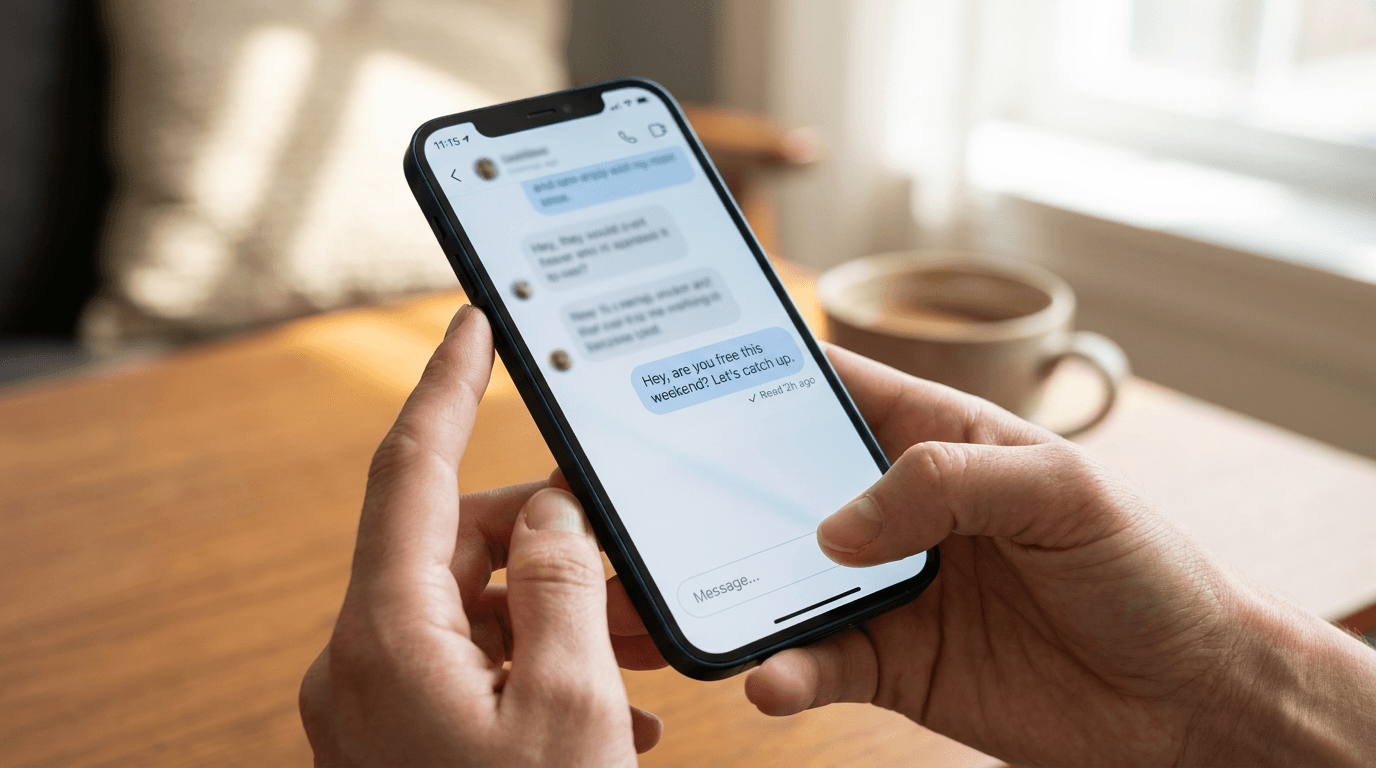
They opened your message, maybe even read it, and did not reply. Being left on read can spike shame, anger, and overthinking. The direct answer: one instance is often noise (distraction, overwhelm, "I'll reply later" that slips). A repeated pattern is information about priority, avoidance, or interest. You cannot know the reason from a single tick, but you can choose responses that protect your dignity: pause before chasing, avoid panic-texting, and zoom out to trend instead of obsessing over a timestamp. If your message asked for something vulnerable, clarity, exclusivity, repair after conflict, silence can feel louder than ordinary busyness. That does not automatically mean they are punishing you; it can mean they do not yet have an honest answer. Either way, your next move is still the same: do not sacrifice your self-respect to force a reply.
Why People Leave You on Read
Busy or distracted. They saw it, intended to reply, then got pulled into work, sleep, or social noise.
Overwhelmed or avoidant. The message needs emotional bandwidth they do not have in the moment, especially if you asked something heavy.
They do not know what to say yet. Some people freeze rather than send a half answer.
Low interest. Replying is not worth the effort to them right now. Harsh, common.
Conflict avoidance. They hope silence will cool a topic, or make it disappear.
Power dynamics (rare but real). Some people use delayed responses to manage control. If you sense games, trust your gut.
Technical or habit factors. Notifications off, read receipts glitchy, or they read from a lock screen and forgot to open fully. Not every read is meaningful.
Context from your history matters: is this out of character, or the latest chapter in dry texting?
Read receipts are a feature, not a moral judgment. Some people leave them on without thinking; some turn them off for peace. Treat the *pattern* of responsiveness as more informative than the color of a tick.
When It's a Signal vs. Noise
Noise: It happens rarely; usually they are responsive, warm, and consistent. Maybe they apologized later or picked the thread back up with care.
Signal: It is a pattern. Read-without-reply stacks up with short answers, less initiation, vague plans, and you feeling like a low priority. Combined, that suggests cooling interest or avoidant communication.
Do not treat one silence like a verdict. Anxiety often turns ambiguity into catastrophe. Look at two to three weeks of behavior, not one afternoon.
If you are anxious-attached, silence can feel like rejection even when it is not. That does not mean you ignore your needs, it means you separate past wounds from present data.
Use texting patterns as a frame: what is the overall rhythm?
How to Respond (Or Not)
Pause before you double-text. Give hours, or a day, so your follow-up is grounded, not a fear spiral.
If you follow up once, keep it light and clean. "Hey, no rush! Just wanted to check you got my message." Or simply send something new when you genuinely have something to say, not as a probe for reassurance.
Avoid accusation as the opening move. "Why are you ignoring me?" can escalate shame and defensiveness. If you need a serious talk, choose a calm window and name behavior: "I have noticed slower responses, what is going on for you?"
If it keeps happening, stop trying to text your way into closeness. You can match energy, ask for what you need, or step back. You cannot negotiate someone into caring.
Protect your peace. If left-on-read is your weekly norm, the healthiest response may be fewer expectations of them, not more craft in your messages.
If you sent something vulnerable, give them space without interpreting silence as punishment. If they come back with care, repair is possible. If they come back like nothing happened and do it often, you are allowed to name that mismatch.
When the Thread Is the Evidence, Not Just One Read Receipt
Closure rarely arrives from staring at "read." It arrives from whether the relationship trend includes repair, initiation, and follow-through.
ForReal helps you hold that bigger picture without reducing a person to a score: your AI dating coach in WhatsApp and Telegram is there when you want to vent, draft a calmer message, or sort fear from facts (linked accounts get ongoing coach access; messenger coaching is not billed separately). In the app, Timeline and Connection Insights, and ForReal Interest Level for subscribers, show how signals evolve across weeks, not one unanswered bubble. Full in-app depth is subscription/trial; the coach can still help you respond without sending the 2 a.m. novel.
Read how ForReal helps and what ForReal Interest Level reflects, and see signs your crush is losing interest if silence is part of a wider cool-off.
If you are tempted to send a screenshot to five friends for a jury trial, pause. One trusted person, or a coach, can help; crowdsourcing usually increases chaos and shame.
Remember: silence after a boundary or a no is still an answer. It might not be the gentle answer you wanted, but it still tells you what you are dealing with.
Frequently Asked Questions
How long should I wait before following up?
At least a few hours, often a day, unless safety or logistics require speed. If they are usually responsive and this is unusual, a gentle follow-up is reasonable. If chronic slow/no response is baseline, ask whether follow-up will change the pattern or just prolong your anxiety.
Should I call them out for leaving me on read?
You can name the impact without attacking: "When messages go unanswered, I feel uncertain. Is something going on?" Their response, repair, defensiveness, honesty, matters more than winning an argument about read receipts.
What if they do it all the time?
Then it is likely their communication style or their level of interest. You get to decide if it works for you. If you need responsiveness and they will not provide it, walking away is not an overreaction, it is alignment. Chronic read-and-ignore is a form of communication too: it says you are not a priority often enough to matter.
Does left on read always mean they do not like me?
No. It can mean distraction, depression, poor texting habits, or avoidance of a specific topic. But repeated read-and-ignore with low effort elsewhere usually means you are not high on their priority list, regardless of what you hope it means.
Should I turn off read receipts?
If tracking read status spikes your anxiety, reducing visibility can help, paired with working on reassurance-seeking habits. It is a tool, not a cure. The deeper work is choosing partners whose behavior makes you feel secure enough that timestamps matter less.
Being left on read once is usually not a referendum on your worth; a pattern of read-without-reply plus low effort is information. Respond with patience where it is warranted, directness where it is needed, and boundaries where your peace is repeatedly taxed. You deserve someone whose actions make clarity feel ordinary, not something you have to extract.
Related Reading: Slow text response, texting patterns, when to walk away.