The Hidden Meanings Behind Common Texting Patterns in Dating
Analyze texting patterns that reveal interest levels: double texting, emoji usage, question frequency, message length matching, and timing patterns. Learn what these behaviors signal about emotional investment and compatibility.

ForReal Team
Author
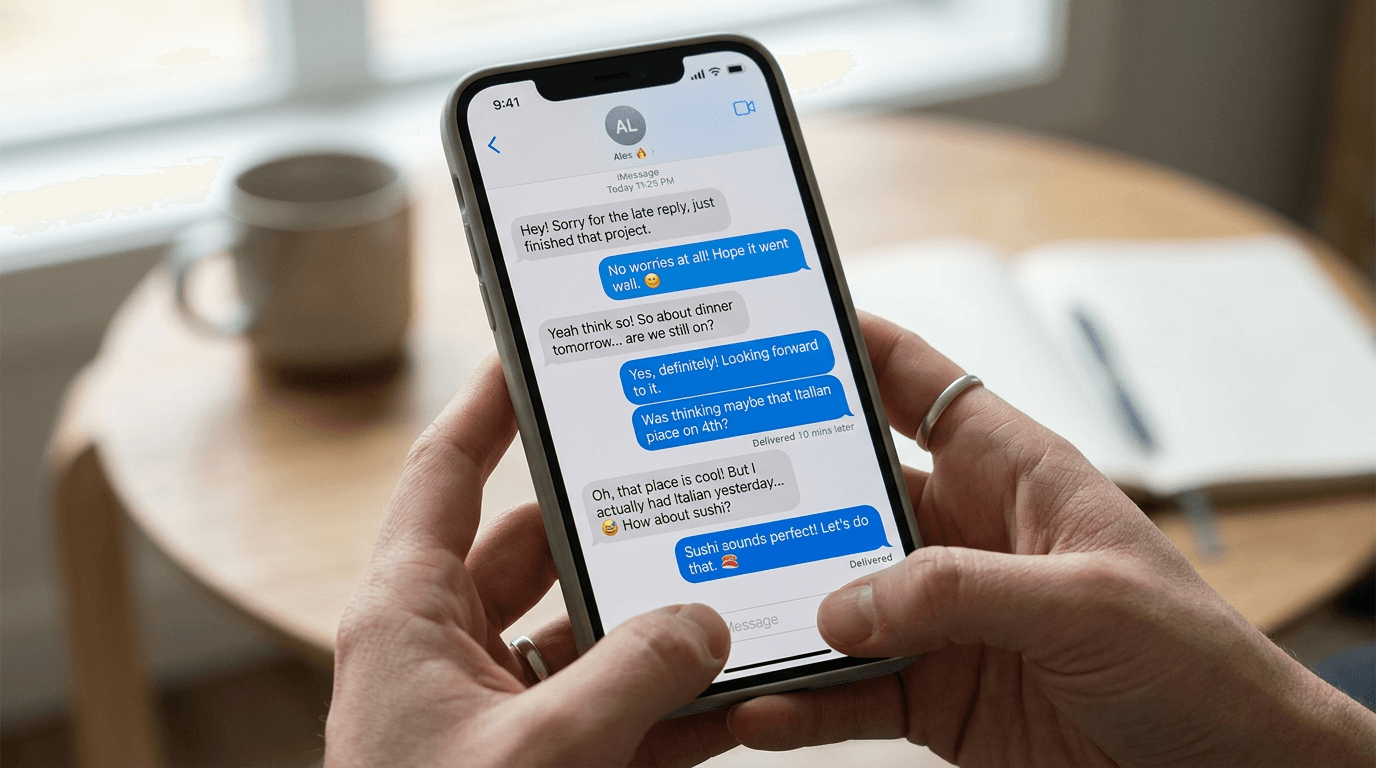
Texting patterns in dating, how often someone replies, how long their messages are, whether they ask questions, and how they use emojis, can signal interest level, engagement, and even compatibility. They're not foolproof (some people are just bad at texting, and slow responses aren't always a sign of disinterest), but over time, patterns emerge. Double texting, message length matching, question frequency, emoji usage, and timing patterns all offer clues. This guide breaks down what these behaviors often mean and how to read them without overthinking every message. The goal is clarity: seeing patterns so you can gauge investment and decide where to put your energy.
Double Texting: What It Signals
Double texting is sending more than one message in a row before the other person replies. It's often seen as "needy" or desperate, but context matters. If you double text occasionally because you have something to add or you're following up on a plan, it's normal. If you're always the one double (or triple) texting and they rarely do, that can signal an imbalance: you're more invested in keeping the conversation going.
When they double text you, it often means they're engaged and want to keep the conversation alive. They're not waiting for you to carry it. So double texting isn't inherently bad, it's about reciprocity. If both people do it sometimes, you're in a balanced dynamic. If only one person is chasing, the pattern suggests uneven interest. Look at the overall trend, not a single instance.
Emoji Usage and Tone
Emojis add tone to text, which is otherwise easy to misinterpret. People who use emojis when they text you, especially warm or playful ones, are often trying to convey warmth and avoid sounding cold. Consistent emoji use can signal comfort and playfulness. A sudden drop in emojis (they used to send hearts or smileys and now send plain text) might mean they're pulling back or the tone has shifted.
That said, some people rarely use emojis and that's just their style. What matters is change in *their* pattern. If they've always been minimal and stay minimal, that's baseline. If they were expressive and become flat, that's a shift worth noticing. Don't over-read a single message, look at how their emoji use fits with flirting vs. friendly behavior over time.
Question Frequency and Engagement
People who are interested usually ask questions. They want to know about your day, your thoughts, your life. If someone rarely asks you anything and only talks about themselves or gives short answers to your questions, that's a sign of low engagement. They might still like you, but they're not showing curiosity or investment in you as a person.
Reciprocity matters: you ask, they answer and ask back. If you're always the one asking and they only respond without turning the conversation back to you, the pattern suggests they're comfortable receiving attention but not giving it. Over many conversations, question frequency and depth are strong indicators of interest and compatibility.
Message Length Matching
Message length matching is when people naturally mirror each other's message length and depth. You send a paragraph; they send a paragraph. You send a short reply; they send something similar. When there's a big mismatch, you write long, thoughtful messages and they reply with one word or a few syllables, it can feel like you're carrying the conversation. That doesn't always mean they're uninterested (some people are brief by nature), but if it's consistent and they don't ask questions or add much, it's a pattern of low investment.
Ideal pattern: both people vary, sometimes short, sometimes long, but overall there's balance. You're not always the one writing essays to get a "nice" back. Tools like ForReal that analyze your conversations can surface these patterns (tone, engagement, reciprocity) so you're not guessing from memory, you're seeing the full picture of how you communicate.
Timing and Response Patterns
Response time is one of the most overanalyzed aspects of texting. Everyone has a life; delayed replies don't automatically mean disinterest. What matters is the pattern. If they used to reply within an hour and now take a day or only reply when you follow up, that's a shift. If they've always been slow and stay slow but make time for you in person, that might just be their communication style.
Consistency over time is the signal. So is effort: do they ever initiate? Do they apologize if they're late to reply? Do they make plans? Timing alone is unreliable; timing plus initiation, question-asking, and plan-making gives you a clearer read. For more on when slow replies are concerning, see slow text response.
From pattern theory to your actual thread
This article is the map, you still need a record of what actually happened. ForReal gives you a structured relationship home: paste or analyze chats, log feelings and moments, and watch Connection Insights accumulate on your Timeline so you are not “memory-editing” the thread to feel better or worse.
The AI coach in WhatsApp and Telegram (linked account) meets you where you already message: ask about double texting, timing, or what to say next; that context can feed back into your crush profile in the app. That is coach + app, not a passive scoreboard.
ForReal Interest Level is the structured layer that tracks how reciprocity, initiation, and depth trend for your stage, useful, but it works with timeline logging and coach advice. How ForReal helps; Interest Level. When patterns clash: dry texting, mixed signals.
Frequently Asked Questions
Is it bad to double text?
Not necessarily. Occasional double texting (adding a thought, following up on plans) is normal. If you're always the one double or triple texting and they rarely reply to the first message, that's an imbalance in effort. The pattern matters more than a single instance.
What if they use fewer emojis than I do?
Emoji use is personal. Some people are minimal texters. What to watch for is a change in *their* pattern, if they used to be warm and expressive and become flat, that might signal a shift. If they've always been low-emoji, it's likely just their style.
How do I know if they're just bad at texting or not interested?
Look at the full pattern: Do they ask questions? Do they initiate? Do they make plans and show up? If they're brief over text but engaged in person and make an effort to see you, they might just be bad at texting. If they're brief, don't ask questions, and don't initiate or make plans, that's low interest.
Can an app really help me understand texting patterns?
Yes. ForReal analyzes your conversations for tone, engagement, interest signals, and reciprocity. You get a structured read on patterns, not just one message, so you can see how you communicate and where you stand without replaying every text in your head.
Texting patterns, double texting, emoji use, question frequency, message length matching, and timing, offer clues about interest and engagement. No single behavior is definitive; it's the pattern over time that matters. When you see balance (reciprocity, curiosity, and effort from both sides), you're likely in a healthy dynamic. When you see consistent imbalance (you're always carrying the conversation, they rarely ask or initiate), that's information. Use it to decide how much to invest and when to seek clarity or step back.
Related Reading: Dry texting, slow text response, and flirting vs. friendly go deeper into specific behaviors.