The Complete Guide to Dating Anxiety for Millennials and Gen Z
Dating anxiety in the app and social media age: unique stressors, generational expectations, and practical coping strategies for Millennials and Gen Z.

ForReal Team
Author
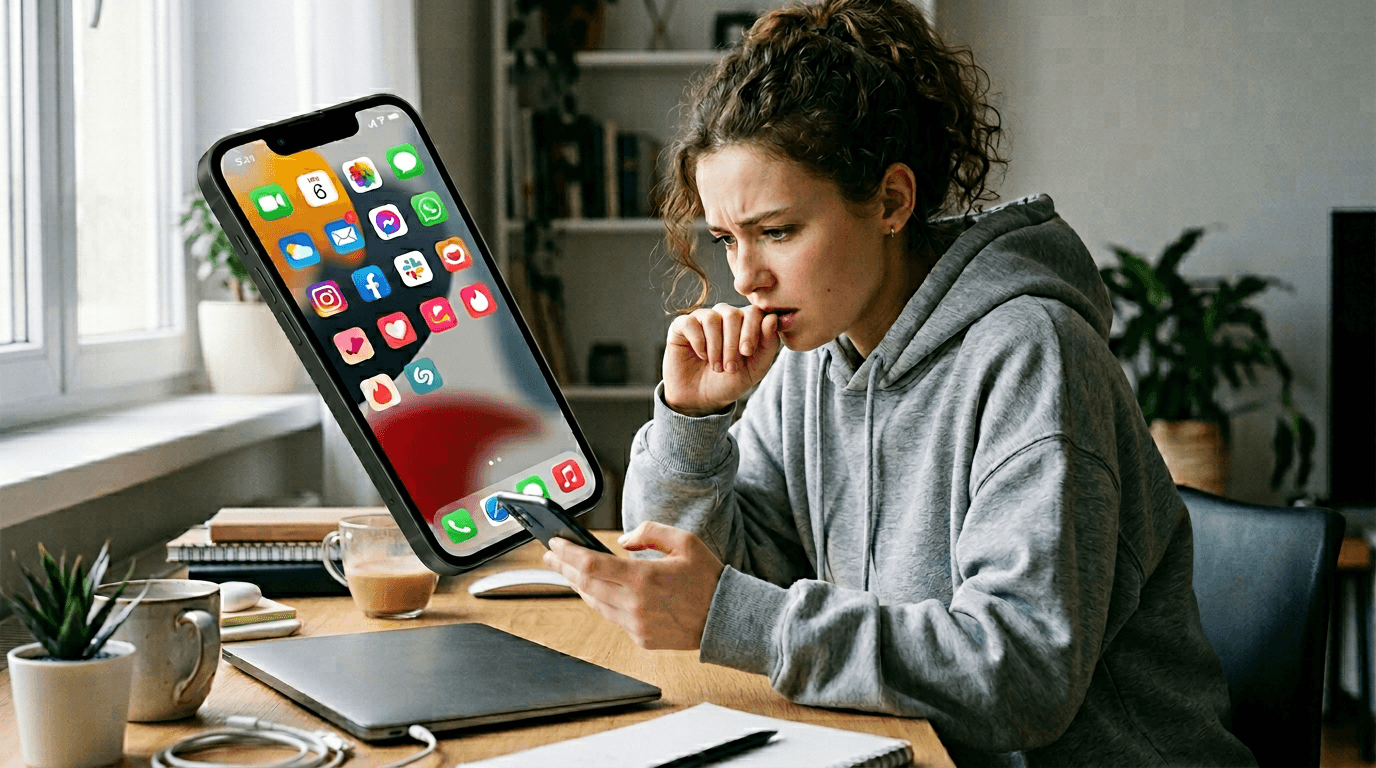
Dating anxiety is common, and for Millennials and Gen Z, it's often amplified by dating apps, social media, and a culture of endless options and constant comparison. You're not broken if you feel anxious about who to text first, when to define the relationship, or whether you're reading signals right. This guide covers what's unique about dating anxiety for younger generations, how apps and socials feed it, and practical ways to cope so you can date with more clarity and less spiral. Anxiety is information; the goal is to respond to it with skills, boundaries, and, when needed, support.
Why Dating Feels More Anxious Now
A few things have changed the anxiety equation. Apps and infinite choice: You're not just comparing yourself to a few people in your town, you're comparing yourself to hundreds of profiles and the idea that someone "better" might be one swipe away. That fuels dating app anxiety: FOMO, decision fatigue, and the sense that you're always being evaluated. Social media: You see curated relationship highlights, vague posts that make you wonder "is that about me?," and a constant stream of other people's milestones. It's easy to overthink and feel like you're behind. Less structure: Previous generations had more shared scripts (call by X date, meet the family by Y). Now there's the talking stage, situationships, and "what are we?", less clarity means more room for anxiety to fill the gaps. Text-first culture: So much happens over text, tone is ambiguous, replies are delayed, and you can replay every message. That's a perfect setup for rumination.
Common Anxiety Triggers for Millennials and Gen Z
Initiating: "Should I text first? Will I look desperate?" You're not alone. The fear of seeming needy or being left on read is huge. The answer isn't to never text first, it's to notice whether the other person meets you halfway. If you're always the one reaching out, that's a pattern, not a you problem.
After a good date: Feeling anxious even when things went well is common. Excitement and anxiety use similar wiring; your brain can treat "this could be something" as "this could go wrong." Plus attachment styles kick in, anxious folks often spiral after closeness. For more, see signs you're dating with anxiety.
Defining the relationship: Asking "what are we?" or when to define the relationship can feel high-stakes. You're afraid of seeming clingy or of hearing they don't want the same thing. But not asking usually prolongs anxiety. Clarity, even when it's not the answer you wanted, often feels better than limbo.
Mixed signals: When someone is hot and cold, your brain tries to "solve" them, and that fuels overthinking. Understanding what mixed signals mean and when to ask for clarity can reduce the spiral.
Comparison and "am I enough?": Social media and app culture feed the idea that you're in constant competition. Dating anxiety often masks a deeper worry: "Am I lovable?" That's worth addressing with self-compassion and sometimes therapy, not just dating hacks.
Generational Differences in Dating Expectations
Millennials often grew up with early social media and the rise of apps. Many want partnership but are wary of repeating their parents' mistakes, they value communication, "working on it," and emotional availability. Anxiety can show up as over-analyzing compatibility, fear of settling, or dating burnout after years of swiping.
Gen Z has never known a world without smartphones and DMs. Dating is often more fluid, labels, sexuality, and relationship structures are more open. Anxiety can show up as fear of being cancelled, pressure to be "authentic" while also curating a persona, and dry texting or ghosting as normal. Both generations share a lot: they want clarity, they're tired of games, and they're anxious when the rules are unclear. The difference is the cultural water they're swimming in.
Practical Coping Strategies
Limit app and scroll time: Set boundaries. No swiping in bed, no stalking their socials when you're anxious. You're not gathering information, you're feeding the loop. Give yourself a time limit and stick to it.
Ground before and after dates: Use your body to calm your nervous system. Breath work, a short walk, or naming five things you see/hear can dial down anxiety before a date or after sending a risky text.
Turn rumination into data: When you're overthinking, write down what you actually know (they said X, they did Y) vs. what you're assuming (they're losing interest, they're talking to someone else). Often the story you're telling is worse than the facts. Tools like ForReal can help by turning your conversations into patterns and insights, so you're looking at evidence, not just replaying fears.
Ask for clarity when it matters: You don't have to ask "what are we?" on day three. But if you've been in limbo for weeks or months and it's costing you sleep, ask. The answer might hurt, but uncertainty often hurts more.
Know when to get support: If dating anxiety is affecting your sleep, work, or self-worth, consider therapy or a support group. Dating anxiety strategies and signs you're dating with anxiety can help you recognize when it's gone beyond normal nerves.
From Cultural Stress to Your Actual Thread
Big-picture trends explain why dating feels tense, but your relief still comes from what happens between you and one person: consistency, honesty, and whether your needs fit. ForReal is built around that: a private AI dating coach in WhatsApp or Telegram (same coach, not a random bot) plus a structured relationship home in the app, Timeline, Connection Insights, ForReal Interest Level, so you are not reducing your love life to a single metric.
Linked coach chat is free with a ForReal account; full in-app depth is for subscribers and eligible trials. When culture tells you everything is uncertain, your timeline can still show whether *this* connection is trending toward clarity or confusion. Read what ForReal Interest Level is and how ForReal helps you win your crush.
Frequently Asked Questions
Is it normal to have dating anxiety in your 20s and 30s?
Yes. Dating involves uncertainty, rejection risk, and vulnerability, all of which can trigger anxiety. It's normal. It becomes a problem when it stops you from dating at all, or when you're constantly in distress. If it's manageable and you're still showing up, you're okay.
Do dating apps make anxiety worse?
For many people, yes. Apps can increase FOMO, comparison, and the sense of being evaluated. They can also create dating app anxiety and burnout. Using apps in a bounded way (e.g., 20 minutes a day, no endless scroll) and taking breaks can help.
How do I stop overthinking after I send a text?
Put the phone away. Remind yourself that their reply (or lack of it) will come regardless of how much you worry. If you notice you're checking constantly, set a rule: no checking for X hours. Use that time to do something that absorbs you. Over time, you train your brain that you can tolerate not knowing.
When should I get professional help for dating anxiety?
When anxiety is affecting your daily life, self-worth, or ability to form relationships, or when you've tried self-help and nothing shifts. Therapy can help with underlying attachment, self-esteem, or generalized anxiety that shows up in dating.
Is this different from generalized anxiety?
It can overlap. Dating anxiety may be situational, or it may be one place where a broader anxiety disorder shows up. If you feel anxious in many areas of life, not only romance, a clinician can help you tell the difference and choose treatment.
Dating anxiety for Millennials and Gen Z is real and often fueled by apps, social media, and less clear relationship scripts. You're not broken for feeling it. Practical steps help: limit app and scroll time, ground yourself, turn rumination into data, ask for clarity when it matters, and get support when anxiety is overwhelming. Tools that turn your conversations into patterns and insights can reduce guesswork, so you're acting on clarity, not fear. You deserve to date with more calm and less spiral.
Related Reading: For more on dating anxiety signs, strategies that work, dating app anxiety, and overthinking, see these guides.