7 Signs You're Dating with Anxiety (Not Intuition)
Learn to distinguish between genuine concerns and anxiety-driven fears. Identify 7 specific behavioral and physical signs of dating anxiety, with real scenarios comparing anxious versus intuitive responses.

ForReal Team
Author
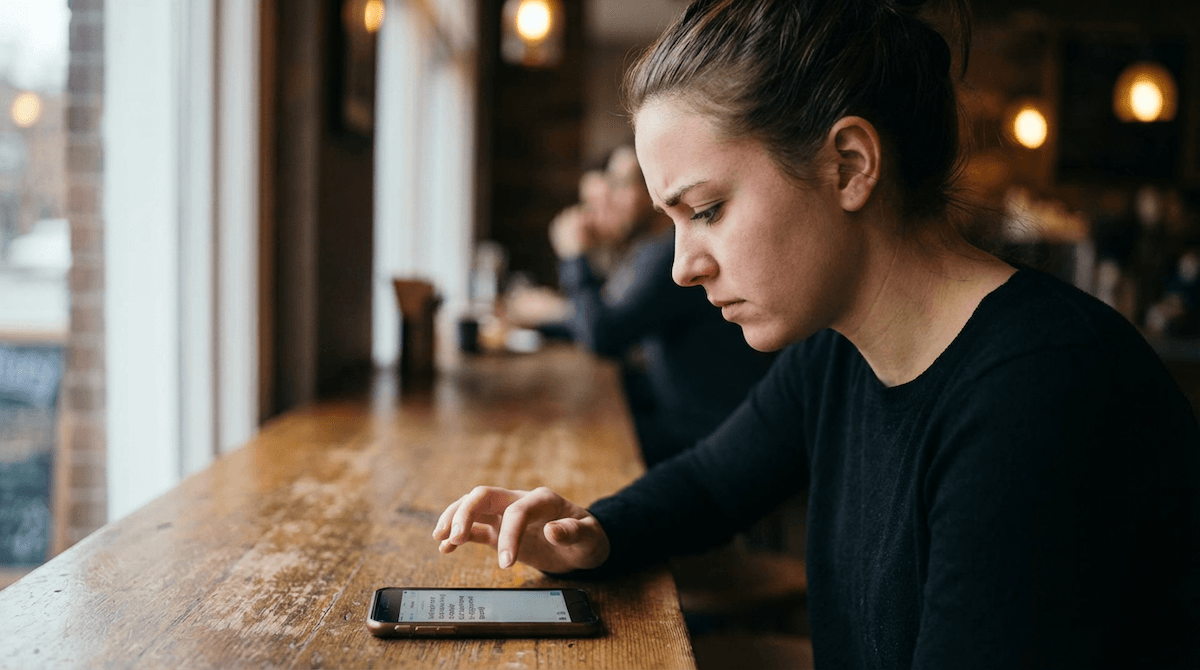
Anxiety and intuition can feel remarkably similar in dating, both create that 'gut feeling' that something isn't right. But there's a crucial difference: anxiety is fear-based and often irrational, while intuition is wisdom-based and usually accurate. Learning to distinguish between the two can transform your dating experience, helping you trust genuine concerns while letting go of anxiety-driven fears. In this guide, we'll explore 7 specific signs that indicate you're dating with anxiety rather than intuition, with real scenarios comparing anxious versus intuitive responses to common dating situations.
Why It Matters: Anxiety vs. Intuition in Dating
Understanding the difference between anxiety and intuition is crucial for healthy dating. If you're already experiencing overthinking patterns or struggling with dating app anxiety, these distinctions become even more important.
Anxiety is your body's alarm system going off, often in response to perceived threats rather than real danger. It's future-focused, catastrophic, and usually based on fear rather than evidence. Anxiety makes you feel urgent, panicked, and desperate for reassurance.
Intuition is your inner wisdom speaking, it's calm, present-moment awareness that something doesn't align. It's based on patterns you've observed, subtle cues you've picked up, and your deeper understanding of human behavior. Intuition feels grounded, clear, and doesn't require constant validation.
The Problem: When you mistake anxiety for intuition, you might end relationships prematurely, push people away, or make decisions based on fear rather than reality. When you mistake intuition for anxiety, you might ignore genuine red flags or stay in situations that aren't healthy.
Learning to distinguish between the two helps you make better decisions, build healthier relationships, and trust yourself more fully.
7 Signs You're Dating with Anxiety (Not Intuition)
Here are 7 specific signs that indicate you're experiencing anxiety rather than intuition:
Sign 1: Physical Symptoms Before Interactions
Anxiety: You experience physical symptoms, racing heart, sweaty palms, nausea, tension headaches, before dates or even before texting someone. These symptoms appear in anticipation of the interaction, not during it.
Intuition: You feel calm physically, but notice subtle mental or emotional signals, a sense that something feels 'off' or doesn't align, without the physical panic response.
Real Scenario: Sarah feels her heart racing and palms sweating 30 minutes before a date. This is anxiety, her body is preparing for a perceived threat. In contrast, when Maria feels a calm but clear sense that her date's behavior doesn't match his words, that's intuition, her wisdom recognizing a pattern.
Sign 2: Catastrophic Thinking and Worst-Case Scenarios
Anxiety: Your mind immediately jumps to worst-case scenarios. One unanswered text becomes 'they're ghosting me,' which becomes 'they never liked me,' which becomes 'I'll never find love.' You create entire narratives of disaster from small events.
Intuition: You notice specific patterns or behaviors that concern you, but you don't catastrophize. You think, 'This behavior doesn't align with what I want' rather than 'This means everything is ruined.'
Real Scenario: When Tom's date takes 4 hours to respond, anxiety tells him, 'She's not interested, I did something wrong, this is over.' Intuition would notice, 'She's been consistently slow to respond, which might indicate different communication styles or priorities.'
Sign 3: Constant Need for Reassurance
Anxiety: You need frequent reassurance from friends, family, or the person you're dating. You ask 'Do you think they like me?' repeatedly, even after positive interactions. No amount of reassurance feels like enough.
Intuition: You might seek one or two trusted opinions to validate your observations, but you don't need constant reassurance. Once you've confirmed your intuition, you feel confident in your assessment.
Real Scenario: Emma texts her friends after every interaction asking if they think her date is interested, even after he's made clear plans for the next date. This is anxiety seeking external validation. In contrast, when Lisa notices her date never asks about her life and only talks about himself, she might check with one friend, then trust her assessment that he's self-centered.
Sign 4: Hypervigilance and Over-Analysis
Anxiety: You analyze every word, emoji, punctuation mark, and timing of messages. You replay conversations in your mind, searching for hidden meanings. You notice everything and interpret most of it as negative or concerning.
Intuition: You notice patterns and inconsistencies, but you don't obsess over every detail. You see the bigger picture, consistent behaviors that indicate character or compatibility issues, rather than analyzing individual moments.
Real Scenario: Jake spends hours analyzing whether his date's use of a period instead of an exclamation point means she's upset. This is anxiety-driven hypervigilance. When Maya notices that her date consistently cancels plans last-minute (three times in a row), that's intuition recognizing a pattern of unreliability.
Sign 5: Inability to Enjoy Positive Moments
Anxiety: Even during good dates or positive interactions, you can't fully enjoy the moment. Your mind is already worrying about what might go wrong, whether they'll text back, or if you're 'doing it right.' You're physically present but mentally in the future, catastrophizing.
Intuition: You can enjoy positive moments fully. When something feels off, it's a clear, present-moment awareness, not a future-focused worry that prevents you from being present.
Real Scenario: During a great date, Alex is already worrying about whether his date will want to see him again, analyzing every moment for signs of interest. This is anxiety preventing presence. When Sam notices during a date that his date makes dismissive comments about his interests, he feels the concern in the moment but can still engage authentically, that's intuition.
Sign 6: All-or-Nothing Thinking
Anxiety: You think in extremes. Either they're perfect for you or completely wrong. Either this will work out perfectly or it's doomed. There's no middle ground, no room for nuance or gradual development.
Intuition: You can see shades of gray. You recognize that someone might have some concerning behaviors but also positive qualities. You can assess compatibility without needing everything to be perfect or terrible.
Real Scenario: After one date, anxiety tells Rachel, 'He's perfect, this is it!' or 'He's wrong for me, I should end it now.' Intuition would allow Rachel to think, 'I enjoyed our conversation, but I noticed he didn't ask me any questions about myself. I'll see how this develops.'
Sign 7: The Feeling Doesn't Match the Evidence
Anxiety: Your feelings are intense and urgent, but they don't match the actual evidence. Someone shows consistent interest, makes plans, and engages positively, but you still feel panicked that they're not interested.
Intuition: Your feelings align with observable patterns. When someone shows inconsistent behavior, mixed signals, or concerning patterns, your intuition picks up on these real signals, not imagined threats.
Real Scenario: Despite his date consistently texting back, making plans, and showing interest, anxiety tells David, 'She's not really interested, she's just being nice.' When intuition notices that someone says they want a relationship but only makes last-minute plans and never asks about your life, that feeling matches the evidence of inconsistent behavior.
How to Distinguish Anxiety from Intuition in Real Time
When you're in the moment and feeling uncertain, here's how to tell the difference:
Check Your Body
Anxiety creates physical tension, racing thoughts, and a sense of urgency. Intuition feels calm but clear, like a gentle knowing rather than a panicked feeling. Take a deep breath and notice: Does your body feel tense and panicked, or calm but aware?
Look for Evidence
Anxiety often lacks concrete evidence, it's based on 'what if' scenarios and worst-case thinking. Intuition is based on patterns you've observed, specific behaviors, inconsistencies, or cues that you can point to. Ask yourself: 'What specific evidence do I have for this feeling?'
Notice the Timeline
Anxiety is future-focused, it's worried about what might happen. Intuition is present-moment, it's noticing what's happening right now. Ask yourself: 'Am I worried about the future, or noticing something in the present?'
Check for Catastrophizing
Anxiety catastrophizes, one small thing becomes a disaster. Intuition notices patterns without making them catastrophic. Ask yourself: 'Am I jumping to worst-case scenarios, or noticing a specific concern?'
Test the Feeling
Anxiety often responds to reassurance temporarily, then returns. Intuition, once confirmed, stays consistent. If you get reassurance and feel better briefly but then the feeling returns, it's likely anxiety. If the feeling persists even after reassurance and is based on observable patterns, it's likely intuition.
When Anxiety Masks Real Concerns
Sometimes, anxiety can actually mask legitimate concerns. If you're constantly anxious in dating, you might miss real red flags because everything feels like a red flag. This is why learning to distinguish anxiety from intuition is so important.
The Pattern: When you're always anxious, you might dismiss genuine concerns as 'just my anxiety' or become so overwhelmed by anxiety that you can't see real issues clearly.
The Solution: Practice the techniques above to calm your anxiety. Once you can distinguish between anxiety and intuition, you'll be better able to recognize genuine concerns when they arise. You'll also be able to enjoy positive connections without anxiety clouding your judgment.
When to Trust Your Feelings: If you've worked on managing anxiety and a feeling persists, especially one based on observable patterns of behavior, it's worth paying attention to. Intuition often speaks quietly but consistently, if something keeps coming up even after you've addressed your anxiety, it might be intuition worth listening to.
How ForReal Can Help You Distinguish Anxiety from Intuition
If you struggle to distinguish between anxiety and intuition in dating, ForReal can provide objective insights to help you gain clarity. Our AI analyzes your conversations and provides data-driven feedback on communication patterns, emotional signals, and relationship dynamics, helping you see what's really happening rather than what anxiety might be telling you.
Instead of relying solely on your anxious thoughts or seeking constant reassurance from friends, ForReal offers objective analysis of your dating interactions. This can help you recognize when your concerns are based on real patterns versus when they're anxiety-driven fears.
By providing clarity on what your conversations actually reveal, ForReal helps you trust your genuine intuition while letting go of anxiety-driven worries. Download ForReal now to gain clarity on your dating connections and learn to distinguish between anxiety and intuition.
Frequently Asked Questions
Can anxiety and intuition feel the same?
Yes, they can feel similar initially, which is why it's important to learn to distinguish them. The key differences are: anxiety is urgent and panicked, while intuition is calm and clear; anxiety is future-focused and catastrophic, while intuition is present-moment and pattern-based; anxiety lacks evidence, while intuition is based on observable patterns.
What if I'm always anxious in dating?
If you experience constant anxiety in dating, it's worth addressing the underlying causes, which might include attachment styles, past trauma, or general anxiety. Working with a therapist can help you understand and manage dating anxiety. Once you can manage anxiety, you'll be better able to distinguish it from genuine intuition.
How do I know if I should trust my gut feeling?
Check if your gut feeling is based on observable patterns and evidence, or if it's based on 'what if' scenarios and worst-case thinking. Intuition is usually calm, present-moment, and based on patterns you've noticed. Anxiety is urgent, future-focused, and often lacks concrete evidence.
Can intuition be wrong?
Yes, intuition can sometimes be wrong, especially if it's based on incomplete information or past trauma. However, intuition is generally more accurate than anxiety-driven fears. The key is learning to distinguish between genuine intuition and anxiety masquerading as intuition.
Should I ignore my anxiety completely?
No, anxiety serves a purpose and can alert you to real concerns. However, it's important to learn to distinguish between anxiety-driven fears and genuine concerns. Once you can tell the difference, you can address real concerns while managing anxiety-driven worries.
How long does it take to learn to distinguish anxiety from intuition?
It varies by individual, but many people see improvement within a few weeks of practicing the techniques above. The key is consistent practice, checking in with yourself, looking for evidence, and noticing the differences between anxiety and intuition in real-time situations.
Learning to distinguish between anxiety and intuition in dating is a crucial skill for healthy relationships. Anxiety is fear-based, future-focused, and often lacks evidence, while intuition is wisdom-based, present-moment, and pattern-based. By recognizing the 7 signs of dating anxiety and practicing techniques to distinguish it from intuition, you can make better decisions, trust yourself more fully, and build healthier connections.
Related Reading: If you're experiencing overthinking patterns or struggling with dating app anxiety, these issues often compound each other. Understanding the connections between anxiety, overthinking, and intuition can help you navigate dating with more confidence and clarity.